Understanding Minerals and Vitamins
An educational resource exploring the role of essential nutrients in daily nutrition and general well-being
Educational content only. No promises of outcomes.
Introduction to Minerals
Minerals are inorganic elements that play essential roles in numerous bodily functions. These nutrients are obtained through diet and are present in various foods, including vegetables, fruits, nuts, and whole grains.
Common minerals include calcium, magnesium, potassium, iron, and zinc. Each mineral has specific functions in the body, from supporting bone structure to facilitating enzyme reactions and maintaining fluid balance.
Understanding the presence and function of minerals in food helps individuals make informed dietary choices as part of a balanced approach to nutrition.
Introduction to Vitamins
Vitamins are organic compounds required in small amounts for various metabolic processes. They are classified into two main categories: water-soluble vitamins such as vitamin C and B-complex vitamins, and fat-soluble vitamins including vitamins A, D, E, and K.
Each vitamin has distinct roles in the body. For instance, vitamin C is known for its antioxidant properties, while B vitamins are involved in energy metabolism. Fat-soluble vitamins often play roles in vision, bone health, and cellular function.
Vitamins are naturally present in a wide variety of foods, and understanding their distribution across different food groups can inform dietary planning.

Functions in the Body
Energy Metabolism
B vitamins, along with minerals like magnesium and iron, participate in the biochemical pathways that convert food into energy. These nutrients are involved in numerous enzymatic reactions that support cellular energy production.
Structural Support
Calcium, phosphorus, and vitamin D are integral to bone and tooth formation. These nutrients work together to maintain skeletal integrity throughout different life stages.
Cellular Functions
Vitamins and minerals support various cellular processes, including DNA synthesis, cell division, and protein formation. Zinc, folate, and vitamin B12 are examples of nutrients involved in these fundamental processes.
Antioxidant Activity
Vitamins C and E, along with minerals like selenium, function as antioxidants. These compounds interact with free radicals, which are naturally occurring byproducts of metabolism.
Fluid Balance
Electrolytes such as sodium, potassium, and chloride help regulate fluid distribution in the body. These minerals are involved in maintaining proper hydration and supporting nerve and muscle function.
Blood Formation
Iron, vitamin B12, and folate are essential for red blood cell production. These nutrients contribute to the formation of hemoglobin, the protein responsible for oxygen transport in the blood.
Food Sources

Vegetables
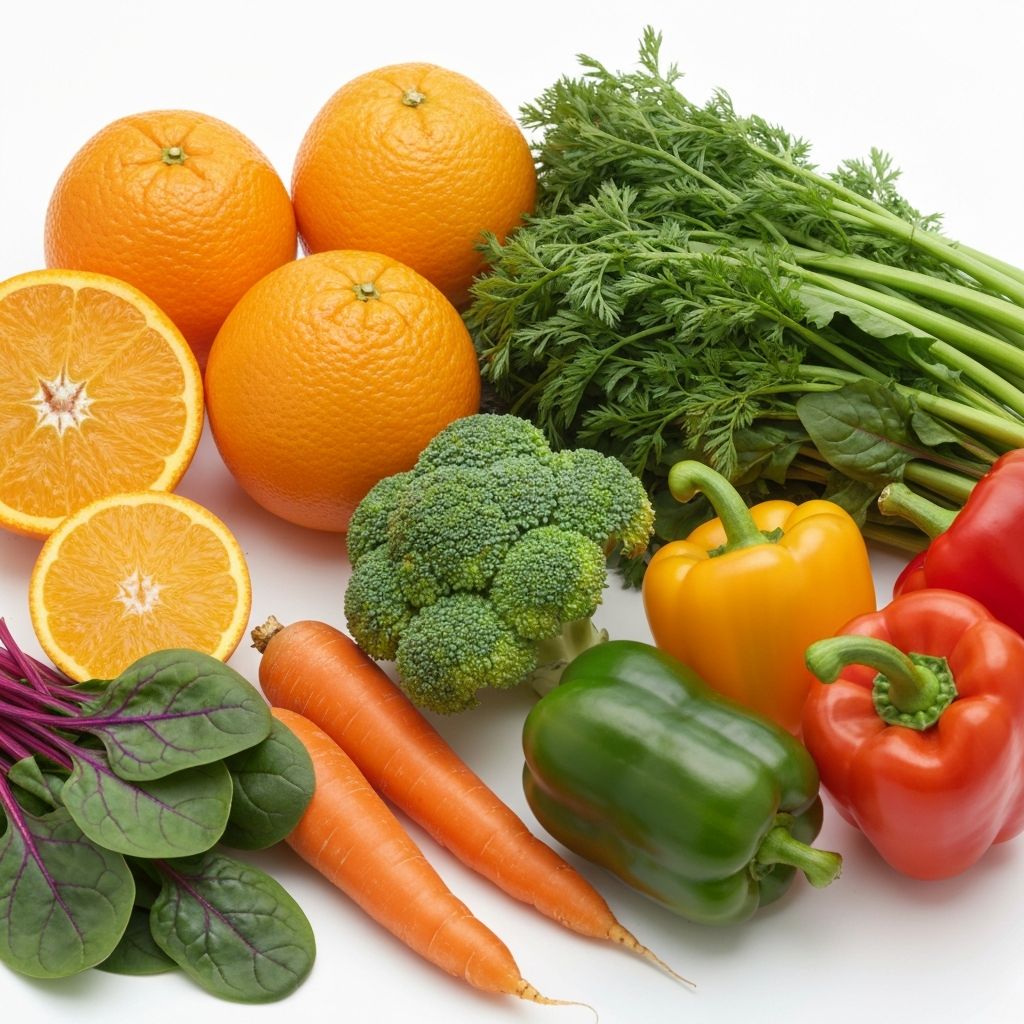
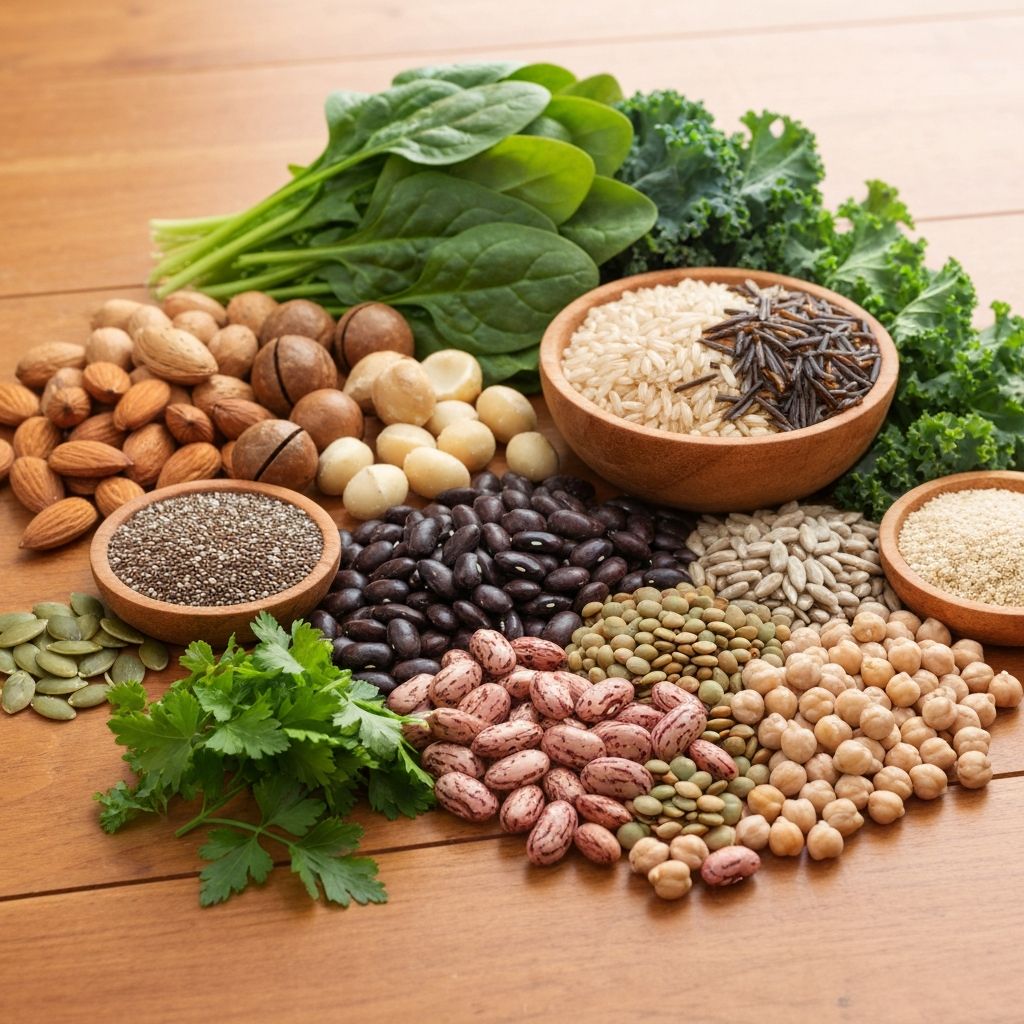
Leafy greens such as spinach and kale are rich in vitamins A, C, K, and minerals like iron and calcium. Cruciferous vegetables including broccoli and Brussels sprouts provide folate and vitamin C. Root vegetables like carrots offer beta-carotene, a precursor to vitamin A.

Whole Grains
Whole grains such as oats, brown rice, and quinoa contain B vitamins, particularly thiamin, riboflavin, and niacin. They also provide minerals including magnesium, selenium, and iron. The bran and germ of whole grains retain these nutrients, unlike refined grains.
Legumes
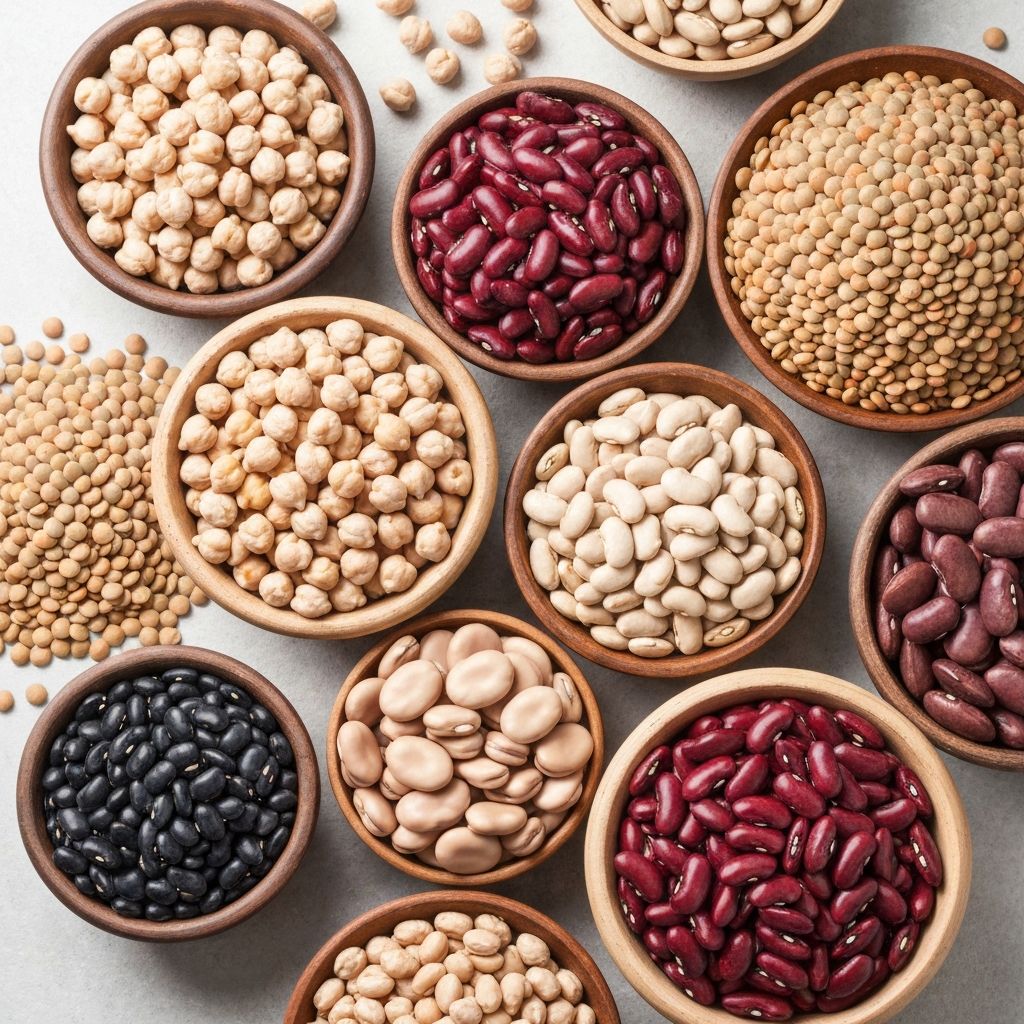
Beans, lentils, and chickpeas are excellent sources of folate, iron, magnesium, and potassium. These plant-based foods also provide protein and fiber, making them valuable components of varied dietary patterns.
Additional Food Categories
Fruits: Citrus fruits are known for vitamin C content, while bananas provide potassium. Berries contain various antioxidants and vitamin C. Dried fruits offer concentrated sources of minerals like iron and potassium.
Nuts and Seeds: Almonds, walnuts, sunflower seeds, and flaxseeds contain vitamin E, magnesium, zinc, and selenium. These foods also provide healthy fats that support the absorption of fat-soluble vitamins.
Dairy and Alternatives: Dairy products are primary sources of calcium and vitamin D in many dietary patterns. Fortified plant-based alternatives can also provide these nutrients.
Scientific Facts
Bioavailability
The absorption of vitamins and minerals can vary based on several factors. For instance, vitamin C enhances iron absorption from plant sources, while calcium can compete with iron for absorption. Fat-soluble vitamins require dietary fat for optimal absorption.
Cooking methods can also influence nutrient availability. Water-soluble vitamins may leach into cooking water, while some compounds in foods can be broken down by heat, potentially increasing or decreasing bioavailability.
Dietary Reference Intakes
Scientific organizations have established Dietary Reference Intakes that provide guidance on nutrient consumption for different population groups. These values are based on research examining the amounts of vitamins and minerals associated with maintaining general health.
Reference intakes vary by age, biological sex, and life stage. They are intended as general guidelines for populations rather than specific recommendations for individuals.
Research and Understanding
The field of nutrition science continues to evolve as researchers investigate the complex relationships between nutrients, food matrices, and human physiology. Studies examine how vitamins and minerals function at the molecular level, their interactions with other compounds, and their presence in various foods.
Current research explores topics such as nutrient timing, food synergy, and individual variability in nutrient needs. This ongoing scientific inquiry contributes to a more comprehensive understanding of nutrition.
Educational Examples

Leafy Greens
Dark leafy vegetables such as spinach, kale, and collard greens are nutrient-dense foods containing vitamins A, C, K, folate, iron, and calcium. They can be incorporated into salads, smoothies, or cooked dishes.
Educational example of nutrient-rich foods

Berries
Blueberries, strawberries, and raspberries provide vitamin C, fiber, and various phytonutrients. These fruits are versatile and can be consumed fresh, frozen, or incorporated into various dishes.
Educational example of vitamin C sources
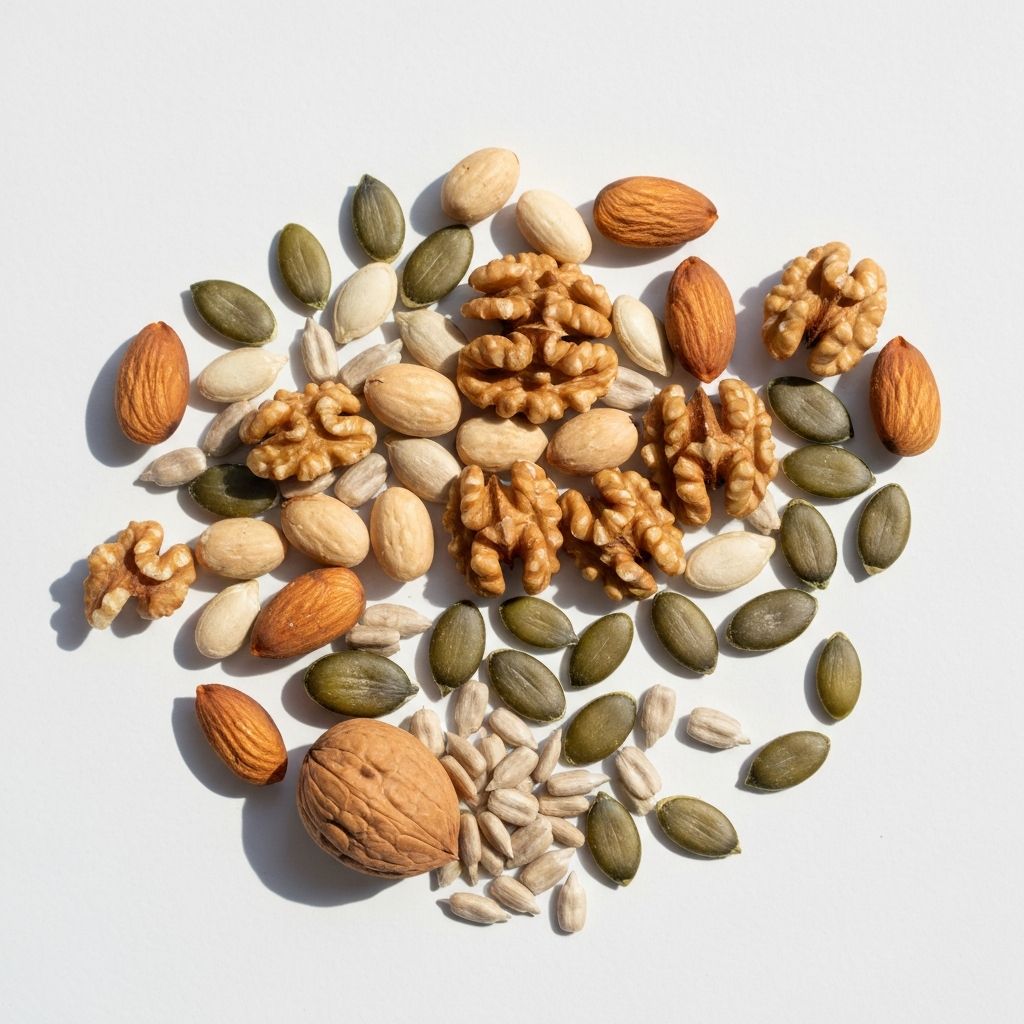
Nuts and Seeds
Almonds, walnuts, chia seeds, and pumpkin seeds offer vitamin E, magnesium, zinc, and healthy fats. They can be eaten as snacks or added to meals to increase nutrient density.
Educational example of mineral sources
Common Myths
Myth: More is Always Better
There is a common misconception that consuming vitamins and minerals in excess amounts provides additional benefits. In reality, the body has specific needs for each nutrient, and excessive intake does not necessarily translate to improved outcomes. Some nutrients can accumulate to levels that may cause imbalances.
Myth: All Nutrients Are Absorbed Equally
Another widespread belief is that all vitamins and minerals from food or other sources are absorbed at the same rate. However, absorption varies significantly based on the nutrient form, food matrix, presence of other compounds, and individual digestive factors.
Myth: Cooking Destroys All Nutrients
While it is true that some vitamins, particularly water-soluble ones like vitamin C, can be reduced through certain cooking methods, cooking can also enhance the availability of other nutrients. For example, cooking tomatoes increases the availability of lycopene, and cooking carrots can improve beta-carotene accessibility.
Myth: Specific Foods Can Replace Varied Diet
Some sources suggest that consuming one or a few specific foods can provide all necessary nutrients. In practice, nutritional science emphasizes dietary diversity, as different foods provide different combinations of vitamins, minerals, and other beneficial compounds.
Infographics and Visual Learning
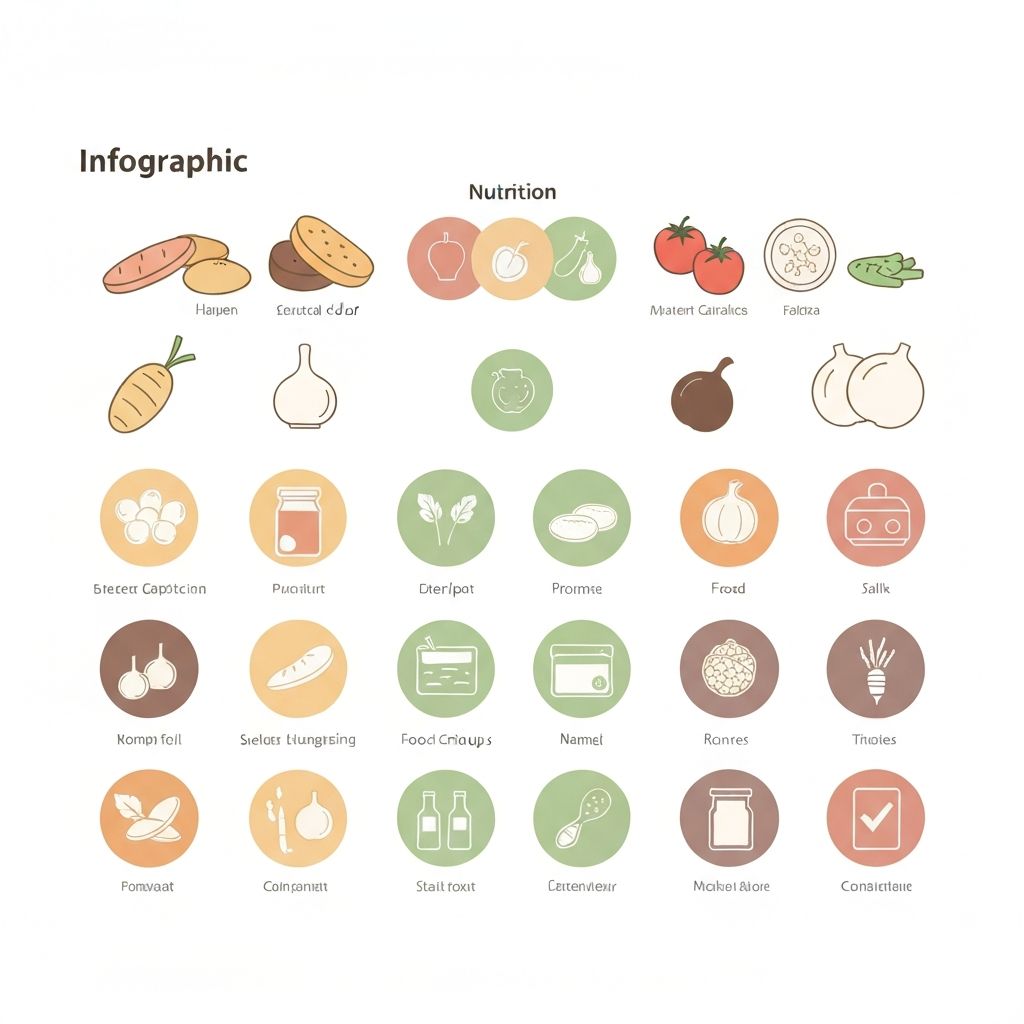
Visual representations can help illustrate the relationships between different food groups and their nutrient content. Infographics serve as educational tools to understand the distribution of vitamins and minerals across various dietary sources.
Healthy Lifestyle Considerations

Nutrition and Daily Life
Vitamins and minerals are part of a broader context that includes overall dietary patterns, physical activity, sleep, and other lifestyle factors. These elements interact in complex ways to support general well-being.
An active lifestyle may influence nutrient needs, particularly for minerals like sodium and potassium that are lost through perspiration. Similarly, different life stages such as growth periods, pregnancy, or aging may be associated with varying nutrient requirements.
Understanding the role of nutrition within the larger context of daily habits can help individuals make informed choices about their dietary patterns. This knowledge is part of general health literacy rather than specific medical guidance.
Learn More
Interested in expanding your knowledge about minerals and vitamins?
This educational resource provides general information about essential nutrients and their presence in food. Understanding these concepts can contribute to informed decision-making about dietary choices.
Learn more about minerals and vitaminsAdditional Resources

Continuing Education
The field of nutrition is supported by extensive scientific literature from research institutions, universities, and health organizations. These sources provide peer-reviewed information on vitamins, minerals, and their roles in human nutrition.
- Scientific journals publishing nutrition research
- University nutrition departments and educational programs
- Government health agencies providing dietary guidance
- International nutrition organizations
- Educational databases on food composition
These resources offer opportunities for continued learning about nutritional science and its applications to dietary planning.
Important Context
The information provided on this website is for educational purposes only and represents general knowledge about minerals and vitamins. This content is not intended as individualized advice, and it does not replace consultation with qualified healthcare providers or nutrition professionals. Individual needs vary, and personal decisions should be made in consultation with appropriate professionals.